

By Kara Holthaus
Outdoor and sporting goods retailers have a fraud problem that doesn’t always look like fraud, making it difficult for store teams to catch.
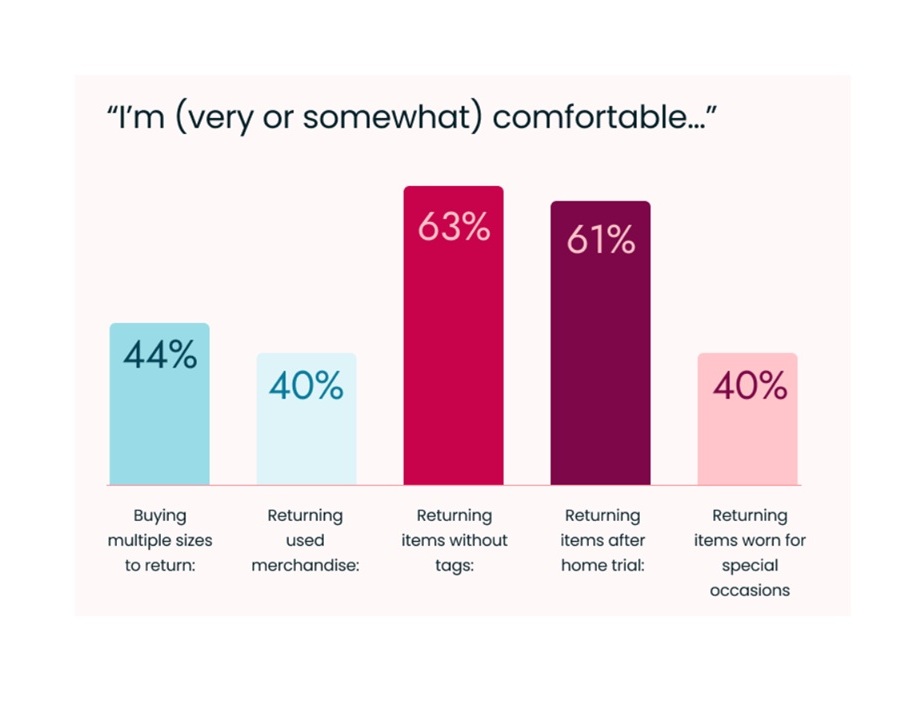
And it’s not new, REI had to address its issue with “serial returners,” noting a group of shoppers demonstrated a 79% return rate. The bad actors exploited a pattern of buying gear, using it and returning it. For retailers like REI, the problem is these returns appear as clean transactions at the store, but the fraud and abuse lie in the details.
What is new, however, are fraudulent consumers becoming savvier, using AI to trick store operations teams. Retailers need to push back against fraud by using their own AI, streamlining data — in-store purchases, e-commerce transactions, customer service calls, and shopper profile insights — and deploying AI to analyze transactions and behaviors.
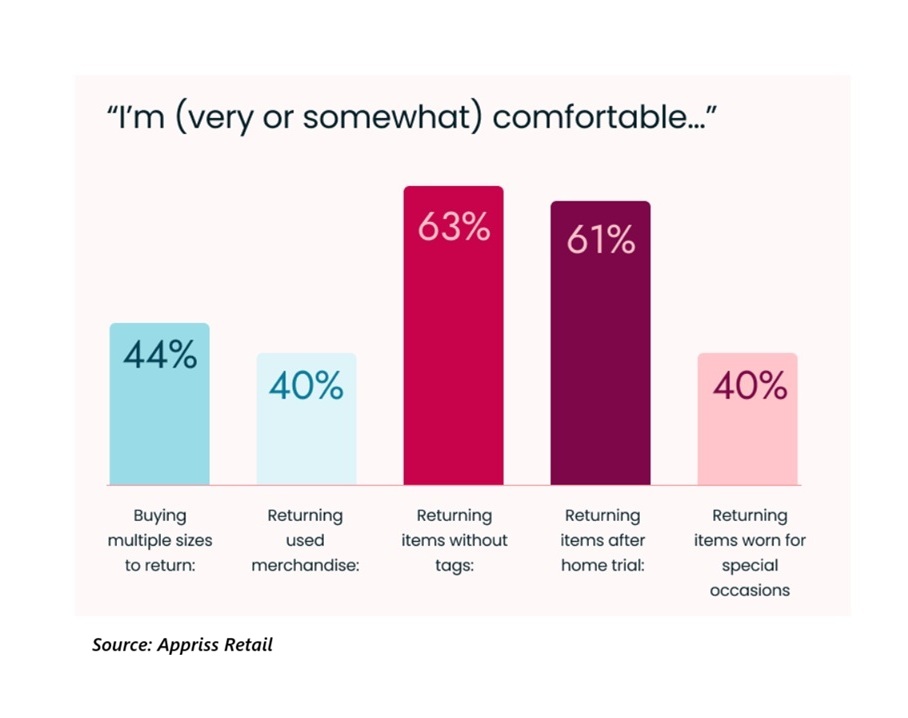
In 2025, retailers absorbed $706 billion in merchandise returns, with $100 billion of that attributable to preventable fraud and abuse. Outdoor and sporting goods retailers experience this from high-ticket items such as camping equipment and ATVs to small items including mugs and candles.
The hard reality for store operations teams is that how a consumer abuses a ski jacket versus a candle doesn’t look that much different inside a transaction system, making it tough to detect. What store teams can expect in fraud and abuse follows a few common patterns in outdoor retailing, such as:
- Seasonal gear trials. A consumer buys skis, snowshoes, or binoculars ahead of a trip or season. After use, they return it, claiming the product didn’t work or didn’t meet expectations. The returns seem normal, but a deeper look into that consumer’s data and the store team might surface that the consumer repeatedly uses and returns items, allowing the retailer to deny the return at the POS.
- Traveler gear trials. Similar to a seasonal trial, a consumer buys items for a vacation trip, uses the gear, and returns it to a different location in a different city before flying back. A retailer with unified data, running in sync across channels and locations, can catch unusual behavior at different stores.
- Employee discount misuse. Associates that extend their employee discount to family and friends add up in the total loss column. The pattern only surfaces when loss prevention teams review how many discounts are being applied over time. A streamlined system can find a discount being used simultaneously at different locations.
- Warranty abusers. Rather than processing a return, a consumer files a warranty claim for normal wear and tear, shifting the cost to service and vendors rather than the returns counter. Retailers need visibility across the company to see how returns patterns hit all corners of the sale.
AI Helps Discover Fraud Patterns
AI can help retailers identify patterns within seconds. Models that draw on cross-retailer consortium data can score every return in real time, approving clean transactions instantly while flagging patterns that warrant a second look. These decisions are made at the point of return, online, at the register, or via the customer service center.
Machine learning can surface if associates are abusing discount policies and identify transaction patterns tied to their accounts. Generative AI can accelerate investigation workflows, assisting store operations managers who normally need to pull manual reports to understand what’s happening at any store location. By asking the AI any question about incidents and store patterns, store operations can receive immediate insight into any anomalies to dig into.
Outdoor retailers don’t need to adjust returns policies to be more stringent, potentially upsetting loyal consumers. But organizations do need to have a process of unified data and cross-functional teams working to identify retail loss with AI to catch anomalies in real time.
AI Gives Criminals More to Work With
Outdoor retailers also need to adjust to new types of fraud and abuse stemming from AI, as organized retail crime syndicates and criminals have the ability to tap the technology to assist with fraud. Consider that agentic AI can now systematically study the published returns policies of every outdoor chain and produce direct loopholes to exploit. Generative AI can produce fake receipts to trick returns teams or doctor product photos to support fraudulent claims that an item arrived damaged. AI-generated audio can stage phony calls into customer service centers, making false returns claims.
Each of these represents a credible operational risk to outdoor retailers; store teams aren’t just dealing with opportunistic travelers but savvy criminals with highly engineered plans.
With so much activity happening at the returns counter and online, and the many ways retailers can be taken advantage of by consumers, store operations teams need assistance from data and AI to help see what they can’t.

Kara Holthaus is chief customer officer at Appriss Retail, bringing more than 15 years of experience in marketing and e-commerce. Before joining Appriss Retail, she led the customer success team at Contentsquare and served as the vice president of client success at SmarterHQ.